
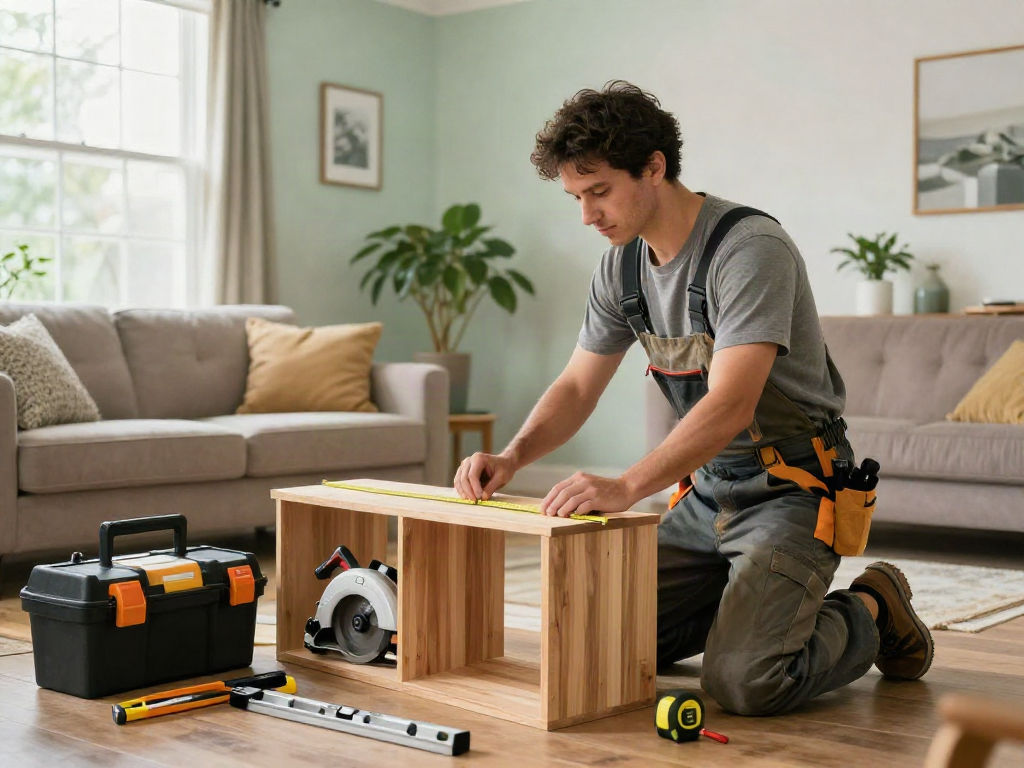
Understanding Home Repair Services in Des Moines, Iowa
Home repair services in Des Moines, Iowa, are essential to maintaining the integrity and comfort of your living space. Whether you're dealing with routine maintenance or emergency repairs, understanding the landscape of home repair services is crucial for homeowners. In this guide, you will learn key considerations for finding reliable contractors, the types of repairs commonly needed, and the benefits of hiring local professionals. When exploring options, home repair services Des Moines Iowa offer comprehensive insights that can help streamline your repair process.
What to Look for in Home Repair Services?
Choosing the right home repair service requires careful consideration of several factors:
- Experience: Look for contractors with a proven track record in the type of work you need done.
- Licensing and Insurance: Ensure that the service provider is properly licensed and insured to protect against potential liabilities.
- Reputation: Read reviews and testimonials from previous clients to gauge the quality of service provided.
- Cost Estimates: Obtain detailed estimates to compare pricing and ensure transparency before starting any work.
Common Types of Home Repairs Needed
Homeowners often encounter a variety of repair needs, including:
- Roof Repairs: Addressing leaks and damage to maintain structural integrity.
- Plumbing Issues: Fixing leaks, clogs, or malfunctioning fixtures.
- Electrical Repairs: Ensuring safe and functional wiring and fixtures.
- Drywall and Painting: Repairing wall damage and refreshing aesthetics.
- HVAC Maintenance: Keeping heating and cooling systems running efficiently.
Benefits of Hiring Local Professionals
Engaging local home repair services in Des Moines has distinct advantages:
- Community Understanding: Local contractors have a better understanding of regional building codes and weather-related issues.
- Quick Response Times: Proximity allows for faster service, especially in emergency situations.
- Support Local Economy: Supporting local businesses strengthens the community.
- Established Networks: Local professionals often have established relationships with suppliers, potentially resulting in better material prices.
Preparing for Your Home Repair Project
Assessing Your Home Repair Needs
The first step in preparing for any home repair project is to conduct a thorough assessment of your home's needs. This involves inspecting areas that show signs of wear, such as roofs, plumbing systems, and basements. Make a list of issues and prioritize them based on severity and urgency. This structured approach will help you communicate better with contractors and ensure no critical repairs are overlooked.
Creating a Budget for Home Repairs
Budgeting is crucial to manage the financial aspects of home repairs effectively. Start by obtaining quotes from multiple contractors to gauge the average cost of necessary repairs. It's wise to set aside an additional 10-15% of your budget for unexpected expenses that may arise during the repair process. If you're uncertain about whether your budget is sufficient, consult with a financial advisor specializing in home improvement projects.
Choosing the Right Materials for Your Project
Selecting the right materials can significantly impact both the quality and longevity of your home repairs. Depending on the type of repair needed, consider the following:
- Durability: Choose materials that can withstand local weather conditions and wear over time.
- Cost-Effectiveness: Evaluate both short-term costs and long-term savings (e.g., energy-efficient materials).
- Environmental Impact: Look for sustainable options that reduce your home’s ecological footprint.
Finding the Right Contractors
How to Research Home Repair Services in Your Area
Effective research is key to finding reliable home repair contractors. Begin by seeking recommendations from friends, family, and neighbors, as personal referrals often lead to trustworthy professionals. Utilize online platforms such as Yelp and Google Reviews to read customer feedback and ratings. Additionally, consider visiting local community forums where you can gather insights about contractors' reputations and reliability.
Questions to Ask Potential Contractors
Before hiring a contractor, it’s essential to ask several pertinent questions to assess their qualifications:
- What is your experience with similar projects?
- Can you provide references from past clients?
- What is the estimated timeline for completion?
- Will you obtain necessary permits for the project?
Checking References and Reviews
Once you've shortlisted potential contractors, checking their references and reviews is critical. Reach out to previous clients to ask about their experiences, focusing on communication, reliability, and workmanship quality. Reviewing online ratings can also provide valuable insights into contractors' reputations, particularly regarding consistency in meeting deadlines and budgets.
Best Practices for Home Repair Projects
Steps to Ensure Quality Workmanship
To achieve quality results in your home repair projects, follow these best practices:
- Stay Involved: Regularly check on progress and maintain communication with your contractor throughout the project.
- Document Everything: Keep a record of agreements, changes, and communications to avoid misunderstandings.
- Be Clear About Expectations: Clearly communicate your vision and expectations from the outset.
Managing Your Repair Timeline Effectively
Effective time management is crucial for minimizing disruptions during home repairs. Work with your contractor to establish a realistic timeline that considers potential delays due to weather or material availability. Stay flexible and maintain regular check-ins to ensure that the project remains on track and any adjustments can be made promptly.
Staying Within Budget During Home Repairs
To stay within budget throughout your home repair project, prioritize clear communication with your contractor regarding costs and potential changes. Make use of the contingency funds set aside in your budget to cover unexpected expenses, and avoid making significant last-minute changes that can inflate costs. Regularly review your expenses against your budget and make adjustments as needed to keep financial goals in check.
Future Trends in Home Repair Services
Eco-Friendly Home Repair Options for 2026
As awareness of environmental sustainability grows, eco-friendly home repair options are becoming increasingly popular. Homeowners are seeking sustainable materials and practices, such as:
- Recycled Materials: Using repurposed materials reduces waste and supports sustainable practices.
- Energy-Efficient Systems: Installing energy-efficient HVAC systems and insulation can significantly cut energy costs.
- Water-Saving Fixtures: Opting for low-flow faucets and toilets can conserve water and reduce utility bills.
Technology's Role in Home Renovations
Technology is transforming the home repair industry, providing innovative solutions for homeowners. Tools like augmented reality apps allow clients to visualize changes before making decisions. Furthermore, smart home technology can help monitor systems like heating and plumbing for maintenance needs, reducing the risk of major failures and allowing for proactive repairs.
Predicted Changes in Home Repair Needs
As homes evolve over time, so too do their repair needs. The growing trend toward remote work is prompting homeowners to invest in home office spaces and renovations that cater to productivity. Additionally, climate change is leading to increased demand for repairs related to weatherproofing and energy efficiency. Being aware of these trends will help homeowners anticipate their future repair needs and invest in relevant upgrades.
What are the most common home repair services in Des Moines?
The most common home repair services in Des Moines include roofing, plumbing, electrical work, and HVAC maintenance. Each of these services plays a critical role in ensuring the safety and comfort of your home.
How can I find reliable home repair contractors?
Finding reliable home repair contractors involves seeking referrals, researching online reviews, and conducting interviews to assess qualifications and reputation.
What should I include in my home repair budget?
When creating a home repair budget, factor in material costs, labor fees, potential permit expenses, and a contingency fund for unexpected expenses.
How can I prepare my home for repairs?
Preparation for home repairs includes clearing clutter from work areas, securing valuable items, and communicating your needs and expectations to the contractor.
What new trends should I consider for future home repairs?
Consider eco-friendly materials, technology integration, and designs that accommodate changing lifestyles, such as remote workspaces, in your future home repair plans.